Almost every conference program lists a keynote, and event planners spend more time choosing that one speaker than any other part of the agenda. This guide explains what a keynote is, what a keynote speaker does, how a keynote differs from a plenary, breakout, or regular presentation, and what makes a keynote worth the spotlight.
What Is a Keynote? (Definition)
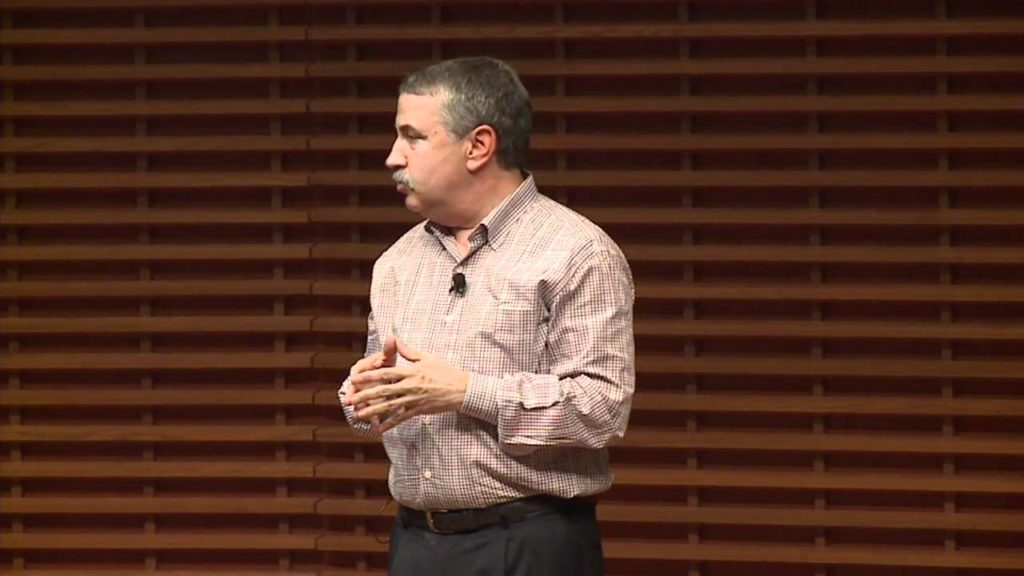
A keynote is the main address at a conference, convention, or large event, delivered to the full audience, usually at the opening. Its job is to set the tone and theme for everything that follows. A keynote speaker is chosen for their expertise, story, or ability to inspire, and the talk typically runs 30 to 60 minutes.
The term comes from music. In a cappella singing, the “key note” is the pitch sounded before a performance so every singer starts in the same key. A keynote speech does the same for an event: it gives everyone a shared starting point.
What a Keynote Speaker Does
- Frames the event’s theme. A good keynote connects the conference topic to something the audience cares about.
- Brings energy and attention. The opening keynote often decides whether people feel the event is worth their time.
- Offers a new perspective. Keynote speakers are often from outside the audience’s daily work, bringing ideas from research, another industry, or personal experience.
- Gives people something to carry into the day. A memorable idea, question, or story that comes up again in breakouts and hallway conversations.
Some events also have a closing keynote, which wraps up the themes, celebrates what happened, and sends people home with a call to action.
Keynote vs. Plenary vs. Breakout vs. Presentation
| Keynote | Plenary session | Breakout session | Presentation | |
|---|---|---|---|---|
| Audience | Everyone at the event | Everyone at the event | A smaller group that chose the topic | Any audience |
| Purpose | Set the theme and inspire | Address the whole group on shared business | Go deeper on a specific topic | Share information |
| Timing | Opening or closing | Anytime the full group meets | Between plenaries, in parallel | Anytime |
| Format | One featured speaker | Talks, panels, announcements | Talks, workshops, discussions | One or more speakers |
Every keynote is a plenary session, since it addresses the whole audience, but not every plenary is a keynote. For the smaller sessions, see what is a breakout session.
Types of Keynotes
- Inspirational keynotes. A speaker shares a personal story of challenge and change to motivate the audience.
- Thought leadership keynotes. An expert presents research, trends, or a new framework.
- Industry keynotes. A leader from the field addresses its direction, often at a professional association conference.
- Academic keynotes. A prominent scholar opens an academic conference with a talk on the state of the field.
- Interactive keynotes. The speaker involves the audience through activities, discussion, or reflection, so people experience the idea rather than only hearing it.
What Makes a Great Keynote
- One big idea. The best keynotes are built around a single message the audience can repeat afterward.
- Stories that carry the idea. Research and data persuade, but stories are what people remember and retell.
- Fit with the audience. A great speaker adapts examples and language to the people in the room, not just the topic.
- Participation, even in a large room. A quick pair conversation, a show of hands, or a moment of reflection turns a passive audience into an engaged one.
- A clear takeaway. Something to try, decide, or discuss when the session ends.
Examples of Keynotes
A university teaching and learning conference opens with a keynote from a researcher on how students learn, which frames two days of breakouts on course design. A regional HR association hires a speaker on workplace culture to open its annual meeting. A company’s leadership summit begins with the CEO’s strategy keynote, followed by an outside speaker on innovation. An engineering firm’s annual meeting closes with an interactive keynote where employees share stories of their best work.
Frequently Asked Questions
How long is a keynote speech?
Most keynotes run 30 to 60 minutes. Forty-five minutes is a common slot, sometimes with 10 to 15 minutes of questions.
What is the difference between a keynote and a guest speaker?
A keynote speaker gives the featured address to the full audience. A guest speaker can speak anywhere in a program, including in smaller sessions.
Is a keynote the first speech?
Usually, though not always. Opening keynotes come first after welcome remarks. Some events also have a midday or closing keynote.
Why is it called a keynote?
From music: the key note sets the pitch for everyone who follows, just as the keynote sets the theme for the event.
Looking for a keynote where the audience takes part instead of only listening? InnovationTraining.org describes the interactive, experiential keynote format and how it works at conferences and company events.