A meetup is one of the simplest ways people with a shared interest find each other: a casual gathering, often monthly, where people talk, learn, and connect. Meetups run in cafés, offices, libraries, and video calls, and they cover everything from software development to hiking to teaching. This guide explains what a meetup is, how it differs from a conference or networking event, and how to start one.
What Is a Meetup?
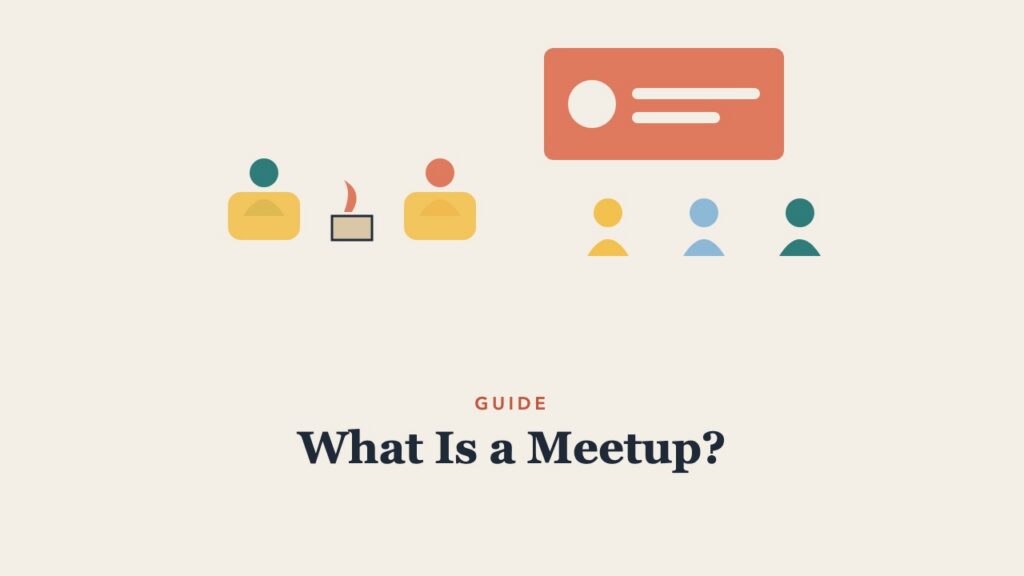
A meetup is an informal, recurring gathering of people who share an interest, profession, or goal. Meetups are usually free or low cost, organized by volunteers, and open to newcomers. A typical meetup includes some social time and often a short talk, demo, or activity. The word became widely used through the online platform Meetup, but today it describes any gathering of this kind, whatever tool is used to organize it.
Meetup at a Glance
| Size | 5 to 100 people, often 15 to 40 |
| Length | One to three hours |
| Frequency | Weekly to quarterly; monthly is common |
| Cost | Free or low cost; often sponsored by a host company |
| Organized by | Volunteers or a community group |
| Tone | Casual and social |
Common Meetup Formats
- Talk night: one or two short presentations, then questions and mingling. Common for tech and professional groups.
- Lightning talks: several five-minute talks from members. A good way to involve new speakers.
- Workshop or hack night: people bring laptops or projects and work together.
- Discussion circle: a topic or question guides an open conversation, sometimes in small groups.
- Social: no agenda, just time to connect.
- Activity: a hike, a visit, a game night, or a practice session.
Meetup vs. Similar Events
| Meetup | Networking event | Conference | Unconference | |
|---|---|---|---|---|
| Formality | Casual | Business-focused | Formal program | Self-organized |
| Recurring? | Yes | Sometimes | Usually yearly | Usually yearly |
| Cost | Free or low | Low to medium | Medium to high | Low |
| Main value | Community over time | Contacts and leads | Learning at scale | Participant-led learning |
How to Start a Meetup
- Pick a specific focus. “Instructional designers in Denver” draws better than “education people.”
- Find a free venue. Companies, libraries, coworking spaces, and universities often host in exchange for a mention.
- Set a regular rhythm. The same night each month makes it easy to come back.
- Plan a simple format. For example: 20 minutes of arrivals, a 20-minute talk, 15 minutes of questions, then open conversation.
- Welcome newcomers. Greet people at the door, use name tags, and start with a quick icebreaker so no one stands alone.
- Share the work. Recruit co-organizers early so the group survives when one person gets busy.
- Promote steadily. Post on a meetup platform, LinkedIn, local groups, and partner newsletters.
Running a Meetup Online
Online meetups work well for niche interests spread across a region or the world. Keep them shorter (60 to 75 minutes), use cameras on where possible, and use breakout rooms for the social part so it does not become a webinar. For more ideas, see virtual event ideas.
Frequently Asked Questions
Are meetups free?
Most are free or charge a small fee for food or venue costs. The organizer may pay a fee for the platform they use.
Do I have to know anyone to go to a meetup?
No. Meetups are designed for newcomers. Arriving a few minutes early makes it easier to start conversations.
What is the difference between a meetup and a meeting?
A meeting usually has a work agenda and set participants. A meetup is an open, social gathering around a shared interest.